 por
por Whispers of folly, dreams shattered. Yep, that’s how investing often starts—full of promise but riddled with those sneaky pitfalls that can turn your nest egg into a cracked shell. Did you know that according to a study by Dalbar Inc., the average investor underperforms the market by a whopping 5% annually due to emotional decisions? It’s a real kick in the pants, right? But here’s the silver lining: by arming yourself with smart strategies to avoid common investment pitfalls, you can steer clear of the money traps and actually build wealth that sticks. In this chat, we’ll dive into real tales, historical quirks, and practical tips to keep your investments humming along, all while keeping things light and real.
My Rookie Blunder: When Hype Bit Me Back
Okay, picture this: back in 2017, I was fresh out of college, eyes wide at the crypto craze. Everyone was talking Bitcoin like it was the second coming, and I thought, «Hey, why not throw in a few bucks?» So, I dumped a chunk of my savings into some altcoin that promised moonshots. And boy, did it shoot—for about a week. Then, crash. I watched my portfolio nosedive faster than a bad sequel to a blockbuster movie. Avoiding common investment mistakes starts with not chasing hype, and let me tell you, that lesson stung.
What made it worse? I ignored the basics, like diversifying or doing proper due diligence. It’s like betting on a horse just because it’s got a shiny coat—looks good, but what about the track record? In my case, that altcoin was all sizzle and no steak. If you’re nodding along, thinking of your own «what was I thinking?» moment, here’s a tip: always ask, «Is this based on facts or just FOMO?» That personal fiasco taught me that smart investing tips aren’t about timing the market; it’s about time in the market with a clear head. And just like in The Big Short, where characters saw through the bubble, you need to spot the red flags before they pop.
Empire Builders and Market Mavens: Lessons from the Past
Ever wonder how the ancient Romans built an empire that lasted centuries? They didn’t put all their sesterces into one gladiator fight; nope, they spread out their investments like a well-planned aqueduct system. Fast-forward to today, and it’s the same deal with how to dodge investment traps. Think about it: the Romans diversified their trade routes and resources, much like we should with stocks, bonds, and real estate. It’s not rocket science; it’s common sense dressed in a toga.
But here’s a truth that’s hard to swallow: many folks still fall for the myth that «go big or go home» works in investing. Wrong. Take the Dutch Tulip Mania of the 1630s—people went bananas over tulip bulbs, driving prices sky-high before it all burst. Sound familiar? It’s like the dot-com bubble of the 90s, where everyone thought the internet was magic dust. In reality, avoiding financial blunders in investing means learning from these cycles. Let’s break it down in a simple table to compare old-school and modern pitfalls:
| Historical Example | Modern Equivalent | Key Lesson |
|---|---|---|
| Tulip Mania (1630s) | Crypto Hype (2020s) | Avoid speculation; focus on fundamentals. |
| Roman Diversification | Balanced Portfolio | Spread risk to weather storms. |
This comparison shows that while times change, human nature doesn’t. As an American saying goes, «Don’t count your chickens before they hatch,» meaning don’t assume quick wins. By weaving in a bit of history, you can sidestep those common investment pitfalls that keep repeating.
The Funny Side of Flops: Outsmarting Greed and Fear
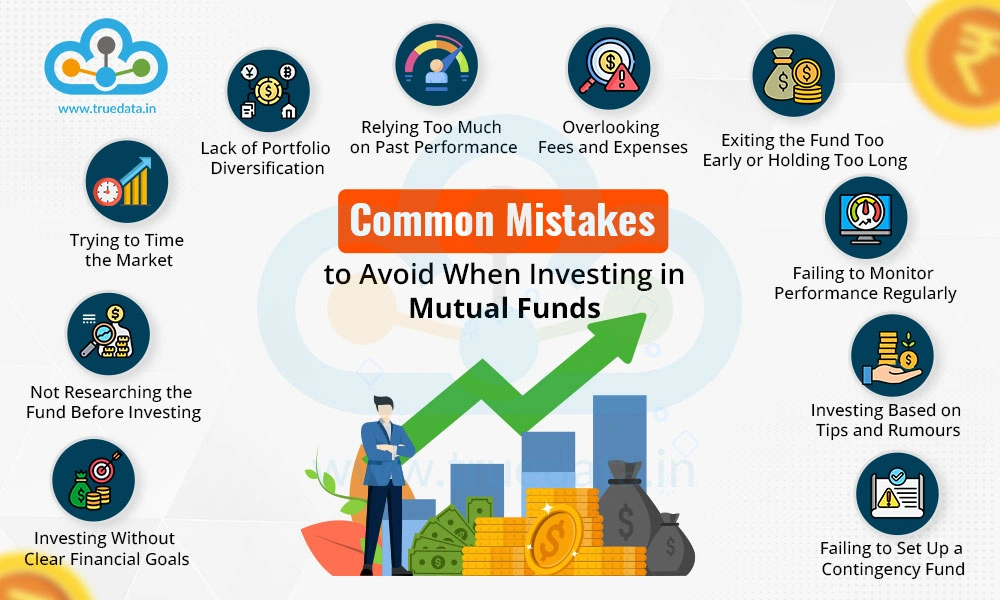
Alright, let’s get real for a second—investing can be a comedy of errors if you’re not careful. Imagine trying to time the market like predicting the weather in England; it’s rainy one minute, sunny the next, and you’re left soaked. One classic blunder? Letting emotions call the shots. I remember chatting with a buddy who sold everything during a dip, yelling, «The sky’s falling!» Only for it to rebound. And just like that Friends episode where Ross yells «Pivot!» but everything goes sideways, overreacting can cost you big.
So, how do we fix this mess? Start by setting rules, like automatic contributions to a diversified fund—that way, you’re not making knee-jerk decisions. Here’s a mini experiment for you: grab your investment statements right now and jot down where fear or greed influenced your moves. Was it buying high and selling low? Yikes. By recognizing patterns, you can build key strategies for investors that keep things steady. And hey, as the Brits say, «Keep calm and carry on,» even when the market’s throwing curveballs. It won’t solve everything, but it’ll stop you from turning your portfolio into a punchline.
In conclusion, investing isn’t about outsmarting the pros; it’s about not outdumbing yourself. Flip the script: instead of seeing pitfalls as roadblocks, view them as signposts to smarter choices. So, here’s your nudge—go audit your investments today, tweak those weak spots, and watch your wealth grow without the drama. What’s the one investment strategy that’s saved your bacon, or the pitfall that taught you the hard way? Drop a comment; let’s keep this conversation going, yeah? And just like that, we’re done—invest wisely, my friend.