 por
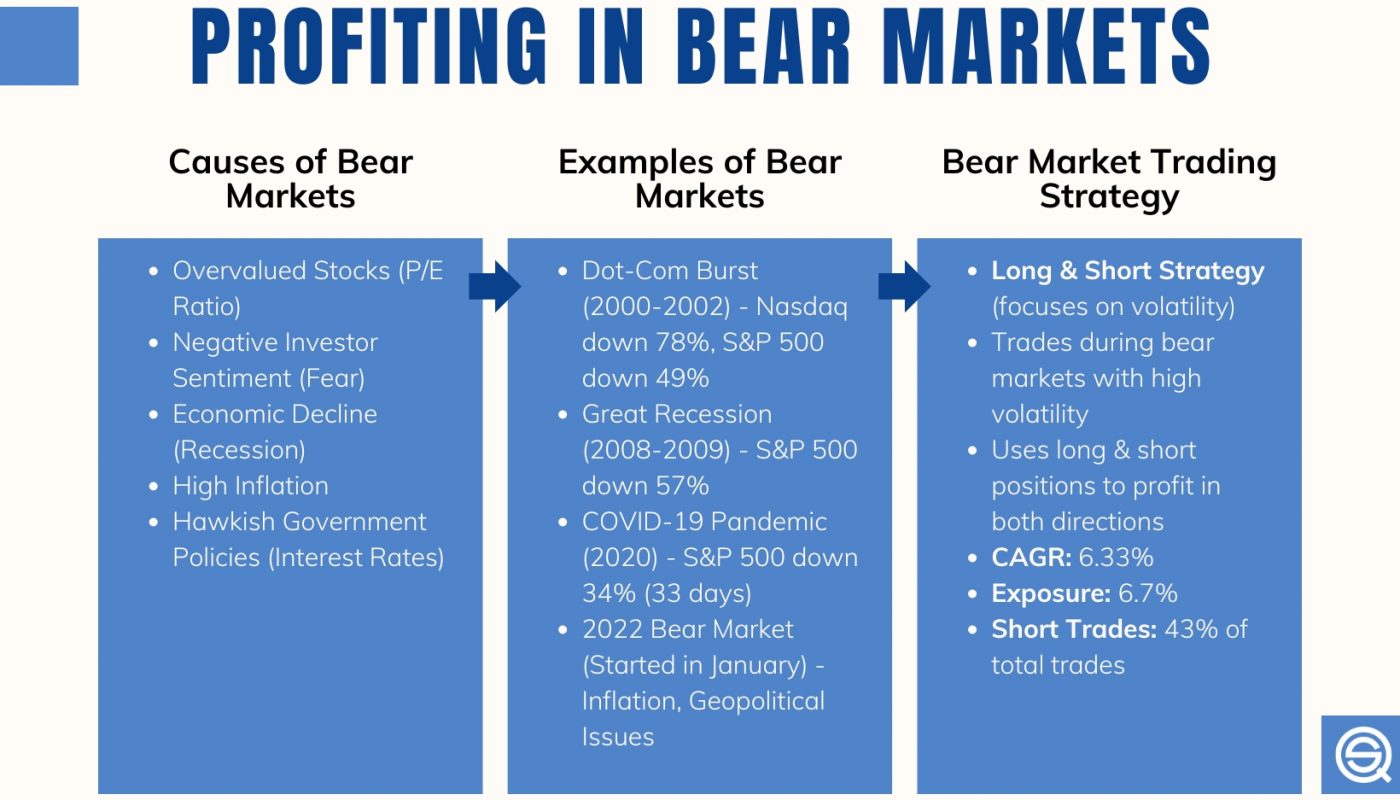
por Bears lurking nearby. Wait, no, not the cuddly kind—I’m talking about those ferocious bear markets that claw at your portfolio when you least expect it. Picture this: in 2022, the S&P 500 plunged over 20%, wiping out trillions, yet some savvy investors not only survived but thrived. Here’s the contradiction—while everyone panics and sells low, that’s exactly when opportunities hide in plain sight. This article dives into strategies during bear markets, showing you how to turn downturns into your secret weapon for long-term wealth. By the end, you’ll grasp practical, real-world tactics to protect and grow your investments, without the usual hype.
My Wild Ride in the 2008 Crash: A Lesson from the Trenches
Okay, let’s get personal for a second. Back in 2008, I was a wide-eyed newbie investor, thinking the stock market was my ticket to easy street. Boy, was I wrong. I remember staring at my screen as Lehman Brothers collapsed, my portfolio tanking faster than a lead balloon. It was like watching a horror movie—except it was my hard-earned savings on the line. But here’s the thing: that mess taught me a golden rule about navigating bear markets. Instead of panicking and dumping everything, I held on tight and diversified into bonds and gold. Sure, it felt like betting on a long shot, but by 2010, I was back in the green.
This anecdote isn’t just me bragging—it’s a reminder that bear market strategies often boil down to emotional discipline. I mean, who hasn’t heard of Warren Buffett’s famous quip about being greedy when others are fearful? From my corner of the world in the U.S., where we love our underdog stories, it’s like rooting for the scrappy team in the Super Bowl. The lesson? Don’t chase trends; build a diversified portfolio. And just when you think it’s all lost…
From Tulip Mania to Tech Bubbles: Echoes Through Time
Ever heard of Tulip Mania in 17th-century Netherlands? People went bonkers over tulip bulbs, driving prices sky-high before it all crashed spectacularly. Fast-forward to the dot-com bust or the 2022 crypto wipeout—history repeats itself like a bad sequel to a blockbuster movie. But here’s an unexpected comparison: investing in a bear market is akin to foraging in a dense forest after a storm. The debris might look messy, but that’s where the hidden gems lie, like undervalued stocks waiting to rebound.
In my opinion, this cyclical nature underscores the importance of long-term investment strategies during bear markets. Take the Great Depression; survivors like my great-grandpa shifted to value investing, snagging blue-chip stocks at pennies on the dollar. It’s not all doom and gloom, as we say Stateside—there’s always a silver lining. This historical lens challenges the myth that bear markets are pure disaster; instead, they’re pruning seasons for your portfolio. Imagine a conversation with a skeptical friend: «Nah, I’m out,» they’d say. You’d counter, «But think about it—recessions weed out the weak, leaving stronger companies to dominate.»
Dodging the Bear Traps: A Chuckle-Worthy Survival Kit
Alright, let’s lighten things up because surviving stock market downturns doesn’t have to be all doom and spreadsheets. Picture this: you’re at a party, and someone mentions investing in a bear market. You roll your eyes and say, «Yeah, right, like walking through a minefield blindfolded.» The problem? Most folks buy high and sell low, turning potential gains into regrets. But with a dash of humor, the solution is simpler than you think—it’s like upgrading from a rusty bike to a sleek electric one.
First off, consider dollar-cost averaging: keep investing a fixed amount regularly, so you buy more shares when prices are low. It’s a piece of cake, really. Then, there’s hedging with options or shorting, but don’t get too fancy—I’m no wizard. In a bear market investment strategy, I swear by rebalancing your portfolio; it’s like trimming the sails on a stormy sea to stay afloat. For a quick experiment, grab your investment app right now and simulate buying into a past downturn—what if you’d invested in Apple during 2008? Mind-blowing, huh? And speaking of pop culture, it’s reminiscent of that scene in «The Big Short» where they bet against the housing bubble—smart, audacious moves that paid off big.
| Strategy | Advantages | Disadvantages |
|---|---|---|
| Diversification | Reduces risk across assets | May limit high returns |
| Dollar-Cost Averaging | Automates buying low | Requires discipline over time |
| Hedging | Protects against losses | Can be complex and costly |
Wrapping It Up with a Plot Twist: Your Next Move
Here’s the twist—while bear markets feel like the end, they’re often the start of something greater, like a phoenix rising from the ashes. I’ve shared my bumps and insights, but now it’s on you. Take action: review your portfolio today and apply one strategy, say dollar-cost averaging, to weather the next storm. What if your biggest investment win comes from a downturn? Leave a comment: How has a bear market changed your investment approach—would you buy the dip or sit it out?